

Beneath the Waves: How Hurricanes Unleash Chaos on Sea Life
The ocean churns wildly as a hurricane sweeps over it, creating chaos for marine animals. Massive waves crash with tremendous force, disrupting the underwater world. On land, we secure homes, gather supplies, and track the storm, but beneath the oceans surface, marine animals during storms face a dramatic struggle. Coral reefs break apart under the hurricane’s power, sea turtles battle swirling currents, and schools of fish swim through a gnarly sea. We’re exploring how hurricanes impact ocean life, diving into the chaos and recovery of the underwater ecosystem. From the destruction caused by fierce storms to the surprising ways marine life bounces back, this is the unique story of how hurricanes affect the underwater world.
The Hurricane’s Underwater Vortex
Hurricanes stir up the ocean like a giant blender, creating chaos for marine life. Powered by warm waters, these storms churn up waves that can reach 60 feet high, mixing the sea down to 300 feet deep. This mixing, called upwelling, pulls cold, nutrient-filled water from the depths to the surface, shaking up the ocean’s temperature, salt, and oxygen levels. In coastal areas, a hurricane can drastically lower the water’s saltiness, like when storms hit and change the balance of the sea. These changes can lead to low oxygen levels, making it hard for fish to breathe, sometimes causing millions to die, as seen after past storms. For shallow coastal areas like bays, this disruption can turn lively underwater nurseries into struggling zones.

The Ripple Effect: A Cast of Marine Characters in Crisis
Hurricanes hit all ocean creatures equally, but the effects differ from one to another:
- Coral Reefs: Fragile Under Hurricane Force: Coral reefs, often called the “rainforests of the sea,” take a major hit when hurricanes pass overhead. Powerful waves can snap delicate branching corals like staghorn and elkhorn, reducing reef cover by as much as 15–20% during strong storms, according to marine studies. On top of that, storm debris, such as plastics, tree branches, and other waste can settle over the reef, blocking the sunlight corals need for photosynthesis. Despite this destruction, corals are surprisingly resilient. Broken fragments can sometimes reattach and grow into new colonies, a process known as fragmentation. However, recovery is often slowed by algae overgrowth fueled by nutrient-rich runoff, leaving coral reefs vulnerable for years after a hurricane.
- Sea Turtles: Struggling Survivors in the Storm: Sea turtles face incredible challenges when hurricanes strike. Strong undercurrents can push them into dangerous debris or trap them in flooded lagoons, making survival even harder. Nesting beaches also take a hit as storm surges wash away sand and destroy turtle eggs before they can hatch. According to marine researchers, stranded turtles often suffer from skin diseases after long exposure to freshwater, a problem documented after major storms like Hurricane Katrina. Hatchlings, already fighting against steep survival odds, face even greater struggles in murky, debris-filled waters following a hurricane.

- Fish: Caught in the Crossfire of Hurricanes: When hurricanes churn the ocean, fish populations face life-threatening conditions. Slow-moving species such as grouper and snapper struggle with sudden changes in salinity and oxygen levels. After Hurricane Harvey in 2017, polluted runoff led to massive fish kills in Texas, highlighting how toxic waters can devastate marine life. While fast-moving fish like tarpon may escape, many others become trapped in low-oxygen “dead zones,” where survival is nearly impossible. Juvenile fish living in sheltered nursery habitats, such as mangroves and seagrass beds, are especially vulnerable, and their losses can disrupt entire future populations.
- Sharks and Dolphins: Nature’s Escape Artists: Sharks and dolphins have remarkable instincts that help them survive hurricanes. Research shows that species like blacktip sharks can sense drops in barometric pressure and quickly move to deeper waters before a storm hits, avoiding the worst of the chaos. Dolphins, while also skilled at escaping rough seas, sometimes become trapped in canals or shallow waters, where prolonged freshwater exposure can cause skin lesions, a problem documented after Hurricane Katrina. Once conditions calm, dolphins often return to coastal areas, drawn back by the abundance of food stirred up by the storm.
- Shellfish and Seagrass: Buried and Starved by Storms: Hurricanes can devastate shellfish beds and seagrass meadows, two ecosystems vital to marine life. Oyster reefs often get buried under shifting sands and sediments during powerful storms, making it nearly impossible for them to survive. Seagrass beds, which provide food for manatees and shelter for many young fish, can be ripped apart by waves and clouded by murky waters. After major hurricanes, manatees have faced food shortages linked to widespread seagrass loss. According to marine researchers, this destruction doesn’t just harm wildlife, it also destabilizes coastal sediments, increasing erosion and weakening natural shoreline protection.
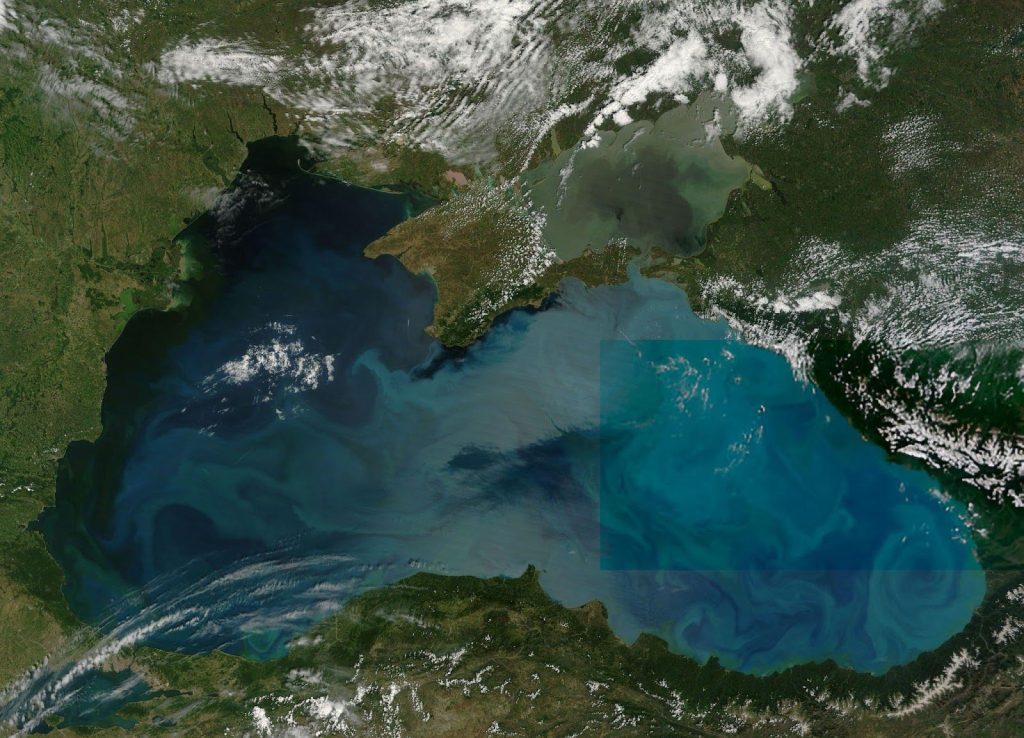
- Plankton and Bacteria: A Boom-and-Bust Cycle: Hurricanes can dramatically change microscopic life in the ocean. As storms churn the water, they pull nutrient-rich water to the surface, sparking phytoplankton blooms that fuel entire food chains. These blooms often attract fish and seabirds, creating a short-term boost in marine activity. However, too many nutrients from storm runoff, such as fertilizers, sewage, and pet waste, can trigger harmful algal blooms like red tide. These events deplete oxygen, create dead zones, and threaten marine life. In some cases, bacteria such as Vibrio also surge in polluted waters after hurricanes, posing risks not only to fish, but also to humans who come into contact with contaminated water.
Coastal Ecosystems: Resilience After the Storm

Across the United States, coastal ecosystems feel the full force of hurricanes. Storm surges, sometimes rising more than 10 feet can flood mangroves, marshes, and low-lying areas, pushing pollutants such as fertilizers, chemicals, and debris into bays and river mouths. This polluted runoff often leads to fish kills, murky waters, and toxic conditions. Sediment stirred up by strong waves can smother coral reefs, while eroded beaches disrupt sea turtle nesting sites. Seagrass meadows, which are vital for manatees and juvenile fish, may take years to recover, and algae blooms fueled by excess nutrients can slow coral regrowth.
Yet, these ecosystems are remarkably resilient. Fish populations often bounce back within months after storms, while corals, though slow to grow, can regenerate through fragmentation, forming new colonies from broken pieces. Mangroves and marshlands, when restored and protected, help filter runoff and stabilize coastlines, speeding up recovery. Even sea turtles, despite heavy nest losses, return to lay eggs season after season, with hatchlings continuing the cycle of survival. These patterns of recovery show the enduring strength of America’s marine ecosystems tested by centuries of storms, but always finding ways to heal.
The Human Connection: How Hurricanes Affect Us All
Hurricanes don’t just disrupt sea life, they hit human communities as most have experienced since the dawn of time. Fishers lose catches when bays turn toxic, divers face murky waters, and beachgoers dodge debris and red tides. Post-Ian, local restaurants struggled with shellfish shortages, and tourism dipped as beaches recovered. By understanding marine impacts, we can better protect our livelihoods and playgrounds. Supporting conservation, like mangrove planting or oyster reef restoration, helps both sea life and our coastal economy thrive.
Sources Referenced:
- NOAA: Coral damage, fish kills (https://ocean.noaa.gov/).
- Smithsonian Ocean: Turtle strandings, phytoplankton blooms (https://ocean.si.edu/).
- National Geographic: Shark migrations, algae bloom risks (https://www.nationalgeographic.com/environment/).
- Texas A&M Today: Salinity shifts, oyster bed damage (https://today.tamu.edu/).
- The Nature Conservancy: Mangrove and seagrass impacts (https://www.nature.org/en-us/).